"I'm just not a maths person": what's really behind it
It's one of the most common things we hear from children. It's also one of the least true.
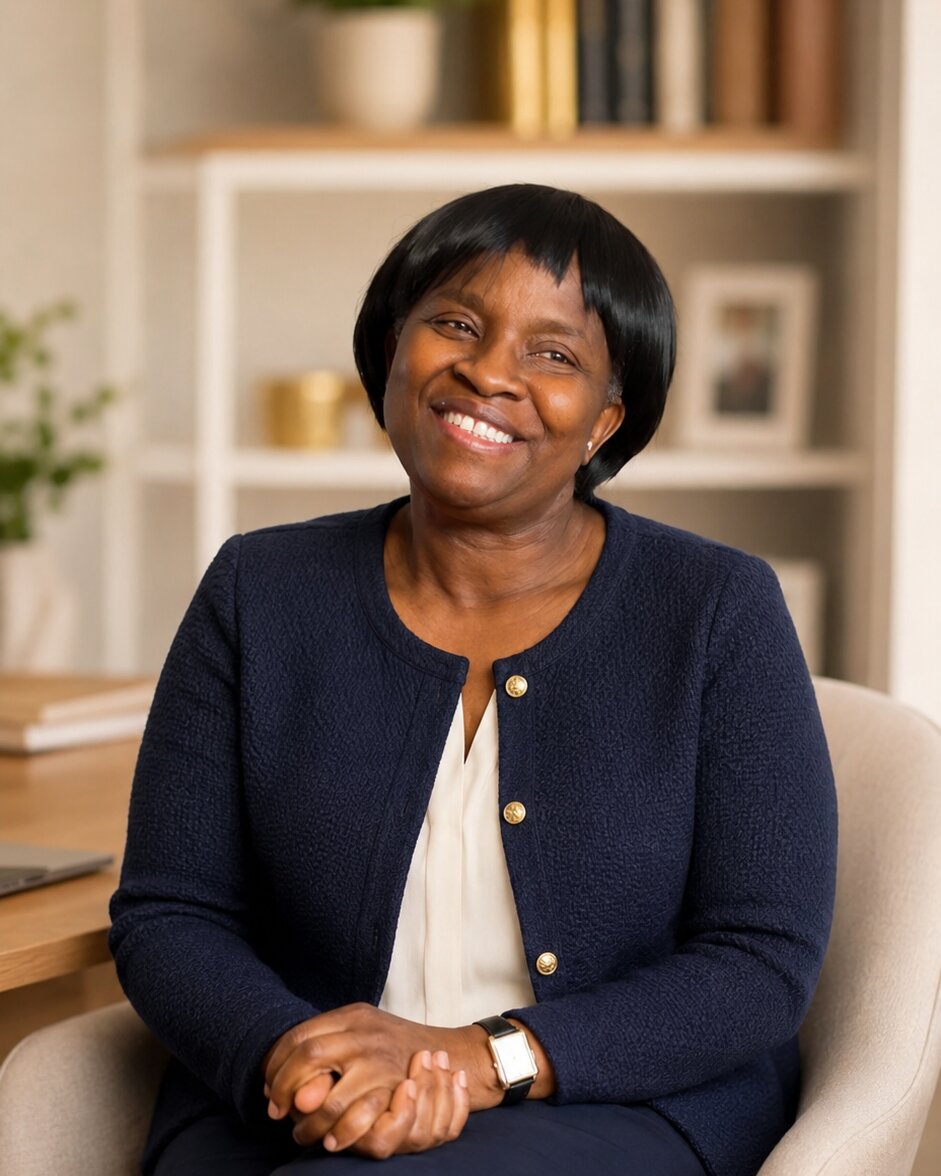
Mrs Bukky Ekine-OgunlanaHead of Tuition ·
In short: "I'm not a maths person" is usually a sign of a few early gaps that made later topics feel impossible. Close the gaps, give your child some quick wins, and the belief starts to change.
Where it comes from
Very few children are born believing they can't do maths. The belief usually starts with a topic that didn't click, often years ago. Every topic that built on it then felt harder, and after a while "this is hard" became "I can't do this".
Why it matters
Once a child believes it, they stop trying on harder questions, because getting them wrong feels like proof. That's not a lack of ability. It's protecting themselves from feeling stupid.
I can do this. I just need the right strategy.Mrs Bukky
What helps
Don't agree with it, even kindly. "I was never good at maths either" can make it feel permanent.
Find the first gap. Going back to an earlier topic and getting it right builds confidence fast.
Praise the method, not the answer. "You showed every step" teaches them that maths is a skill, not a gift.
Make mistakes normal. In our lessons, a wrong answer is where the learning starts.
Want to know exactly which topics to work on?
Our free check, done by your child online, shows you where the gaps are.
Exam dates, revision tips and what's new in the Study Zone. No spam.
Newsletter
You're signed up
The TCEC Edit arrives once a month.
Cookies on this site
We use essential cookies to run the site. With your OK, we'd also use analytics cookies to see what helps, and advertising cookies to show our adverts to the right families. Cookie policy